


January 16, 2026 | Black & Kletz Allergy
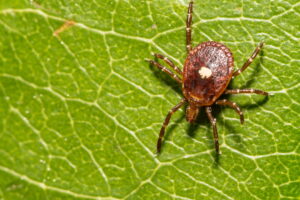 Alpha-gal syndrome is an allergic condition caused by a sensitivity to a carbohydrate known as galactose-alpha-1,3-galactose (i.e., alpha-gal). This molecule is found on the cells of non-primate mammals (i.e., beef, pork, lamb, venison, etc.). This condition is mainly thought to develop after tick bites. The regional distribution of alpha-gal syndrome corresponds with specific tick species populations (e.g., the lone star tick). Alpha-gal syndrome is also called mammalian meat allergy.
In the United States, the prevalence of lone start ticks and alpha-gal syndrome is highest in the Southeast region. Overall, the prevalence of alpha-gal syndrome is thought to be rising, with current estimates suggesting that up to 450,000 cases have occurred in the U.S. since 2010. It was first diagnosed in Virginia.
Other organisms besides ticks have been implicated in the potential induction of alpha-gal sensitization and clinical reactivity. One study demonstrated a correlation between alpha-gal-specific IgE antibody levels and exposure to an intestinal parasite called Ascaris lumbricoides (i.e., round worm). Moreover, some data suggest that bee and wasp stings may also contribute to the production of alpha-gal-specific IgE, particularly in beekeeping populations.
Besides muscle and organ meats, dairy products have also been implicated in triggering reactions. Additionally, gelatin, (commonly derived from the connective tissue, bones, and hides of mammals), often retains the alpha-gal epitope and is frequently used in products such as gummy candies, marshmallows, and gelatin desserts.
Individuals with blood group B appear partially protected against sensitization. This protection is likely due to structural similarities between the blood group B antigen and alpha-gal, resulting in the reduced immunologic recognition in B or AB individuals.
Cofactors such as exercise, alcohol, and nonsteroidal anti-inflammatory drugs (NSAIDs) such as ibuprofen (i.e., Advil, Motrin) and naproxen (i.e., Aleve, Naprosyn) are frequently reported to enhance the likelihood, timing, and/or severity of the reactions. These cofactors may amplify allergic responses by increasing the gastrointestinal absorption of alpha-gal and/or lowering the reaction threshold.
Alpha-gal syndrome differs from the common IgE antibody-mediated food (e.g., nuts, peanuts, fish, shellfish) allergy in 2 important aspects. In a typical food allergy scenario, the individual is sensitized to a particular protein, whereas in alpha-gal syndrome, the individual reacts to a carbohydrate in meats and/or mammalian products. Usually, common food-triggered allergic reactions may cause symptoms within an hour after ingestion, however, clinical manifestations from alpha-gal syndrome are typically delayed, characteristically beginning 2 to 8 hours after exposure to the mammalian product.
The classical manifestations of alpha-gal syndrome may include generalized itching (i.e., pruritus), hives (i.e., urticaria), and/or soft tissue swelling (i.e., angioedema) of the lips, tongue, eyelids, etc. In more severe cases, difficulty in swallowing, shortness of breath, wheezing, and/or life-threatening anaphylaxis may ensue. Gastrointestinal symptoms such as abdominal pain, cramping, nausea, vomiting, and/or diarrhea are also common. The gastrointestinal symptoms are more common in children and may be the sole presenting symptom(s).
The diagnosis rests on a comprehensive history, focusing on symptom timing, dietary exposures, and any history of tick bites. The most commonly used diagnostic test is the measurement of the specific IgE antibody to alpha-gal in a blood sample. A level above 0.1 IU/mL is considered positive and diagnostic. The IgE antibody to alpha-gal testing is the preferred method since skin food prick testing to mammalian meats can be negative in those found to have a positive IgE against alpha-gal. It should be noted that most people with a detectable IgE to alpha-gal will also have detectable IgE to extracts from mammalian meats such as beef, pork, lamb, venison, etc.
If the clinical suspicion for mammalian meat allergy remains high but the initial serum IgE to alpha-gal is negative, then skin prick and serum IgE testing to beef, pork, and lamb may be considered, as this may be helpful with diagnosing other non-alpha-gal forms of meat allergy. As an aside, if the patient primarily reacts to pork, checking for sensitivity to cat via skin prick or serum IgE testing may be warranted to rule out pork-cat syndrome, which is due to cross-reactivity between cat and pork serum albumin.
In order to prevent the development of acute reactions, the core management principle of alpha-gal syndrome is to avoid mammalian meat and associated visceral organs. The mammalian meats usually implicated are beef, pork, lamb and venison, though all non-primate mammalian meat can be causative. Ingestion of meat or products from bison, buffalo, whale, rabbit, horse, goat, and other mammals should also be avoided. Additionally, it is important to highlight to patients that mammalian fats used in cooking (i.e., lard, tallow, casings derived from pork which can be used in poultry-based sausages) are also to be avoided.
Many patients with alpha-gal syndrome will be able to tolerate dairy products. However, if the reactions continue while avoiding meats, dairy products and gelatin-containing foods/medications should also be avoided.
The treatment of reactions depends on the clinical manifestations. Antihistamines may be helpful in treating itching and rashes, but more severe systemic reactions such as anaphylaxis need to be treated with an epinephrine auto-injector (e.g., EpiPen, Auvi-Q, Adrenaclick) or an epinephrine-containing nasal spray such as Neffy. Some reactions may also require intravenous hydration, albuterol inhalation, and/or oxygen supplementation. It should be noted that if an individual uses their epinephrine auto-injector device or their epinephrine-containing nasal spray, they should go immediately to the closest emergency room.
As tick bites have been associated with the development of alpha-gal syndrome, a reasonable prevention tactic is obviously to circumvent sensitization through the avoidance of tick bites. There is data showing that the higher the number of tick bites, the higher the alpha-gal IgE levels, highlighting the importance of avoiding subsequent tick bites after sensitization. Avoiding wooded areas, treating gear with the insecticide permethrin, and using insect repellants will reduce the likelihood of a tick bite. Full body checks should be performed after outdoor activities, and if ticks are found, they should be removed with a fine tipped tweezer.
Some patients with alpha-gal syndrome will be able to tolerate meat again with continued avoidance of recurrent tick bites. In order to determine when and if that person can again tolerate meat, serial monitoring of alpha-gal IgE levels and oral meat challenges may be performed in order to assess the readiness of that individual to consume meat.
The board certified allergists at Black & Kletz Allergy have been diagnosing alpha-gal syndrome for many years. At Black & Kletz Allergy, we treat both adult and pediatric patients. We have offices in Washington, DC, McLean, VA (Tysons Corner, VA), and Manassas, VA. All 3 of our offices have on-site parking. For further convenience, our Washington, DC and McLean, VA offices are Metro accessible. Our McLean office location offers a complementary shuttle that runs between our office and the Spring Hill metro station on the silver line. For an appointment, please call our office or alternatively, you can click Request an Appointment and we will respond within 24 hours by the next business day. If you think that you have an allergy or sensitivity to meat, we are here to help diagnose your problem and help differentiate whether your symptoms are a meat allergy, meat sensitivity, or alpha-gal syndrome. Black & Kletz Allergy is dedicated to providing the highest quality allergy care in a relaxed, compassionate, and professional environment.