


May 02, 2014 | Black & Kletz Allergy
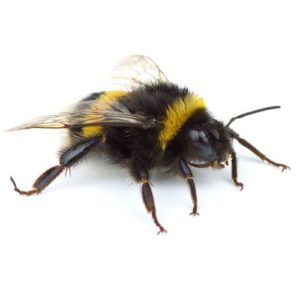 As we enter into warmer months, insect sting reactions are one of the major concerns in our greater Washington, DC metro area. Most people who are stung by insects experience swelling, redness, and pain at the site of the sting. These symptoms usually resolve within a few days. However, some of us are “allergic” to the insect venoms and the stings can lead to severe life-threatening reactions. In fact, about one-half a million people seek emergency room care every year in United States for insect sting reactions and about 50 deaths are reported every year from these reactions. If we are predisposed to develop allergic reactions, our immune systems make IgE antibodies to the venom after an initial sting. steam cloud . If we are stung by the same insect again, the antibodies interact with the venom and cause the release of certain chemicals into the bloodstream which causes the serious reactions.
Though many insects cause local reactions, almost all the severe generalized reactions commonly found in northern Virginia, Washington DC, Maryland, and the surrounding areas are caused only by four types of insects. These four types include Honey bees (live in colonies or “honeycombs” in hollow trees or cavities of buildings), Yellow Jackets (usually nest underground and rarely in woodpiles or cracks in masonry), Hornets (grey or brown football shaped nests above ground in the branches of trees or in shrubbery) and Wasps (nests are made up of paper-like material under eaves, behind shutters, or in shrubs).
In order to reduce your chance of being stung, it is advisable that you take a few precautions like avoidance of walking outdoors with exposed skin. It is also recommended to avoid wearing dark colored clothing and to also avoid wearing strong perfumes and deodorants. If one has a systemic reaction following an insect sting, he or she has a 60% chance of a similar or more severe reaction in the case of a subsequent sting by the same insect. Another important tidbit of information to know is that if a honey bee stings you, it will leave it’s stinger in your skin at the site of the sting. You should never pull out the stinger, instead, you should scrape off the stinger with your fingernail or credit card. Pulling out the stinger actually causes the bee’s venom sac to pump more venom into you which can make your reaction to its venom more severe. Luckily, there is a highly efficacious treatment option called Venom Immunotherapy, (also known as Venom shots or Venom injections), which has proved to be 97% effective in preventing life-threatening reactions in people who are sensitized to the insect venoms. Allergy shots for indoor and outdoor allergies are different, but also highly effective.
Over the past five decades, the board certified allergists at Black and Kletz Allergy practice have helped hundreds of patients sensitized to insect venoms in Virginia, Washington, DC, and Maryland to lead a normal life. Through education, training in self-injectable epinephrine, and most importantly, by desensitization, our patients have been able to live without the fear of a having a serious reaction from insect stings and are able to enjoy being outside in the warm months.